
WIN At The Future Of Automotive Sales
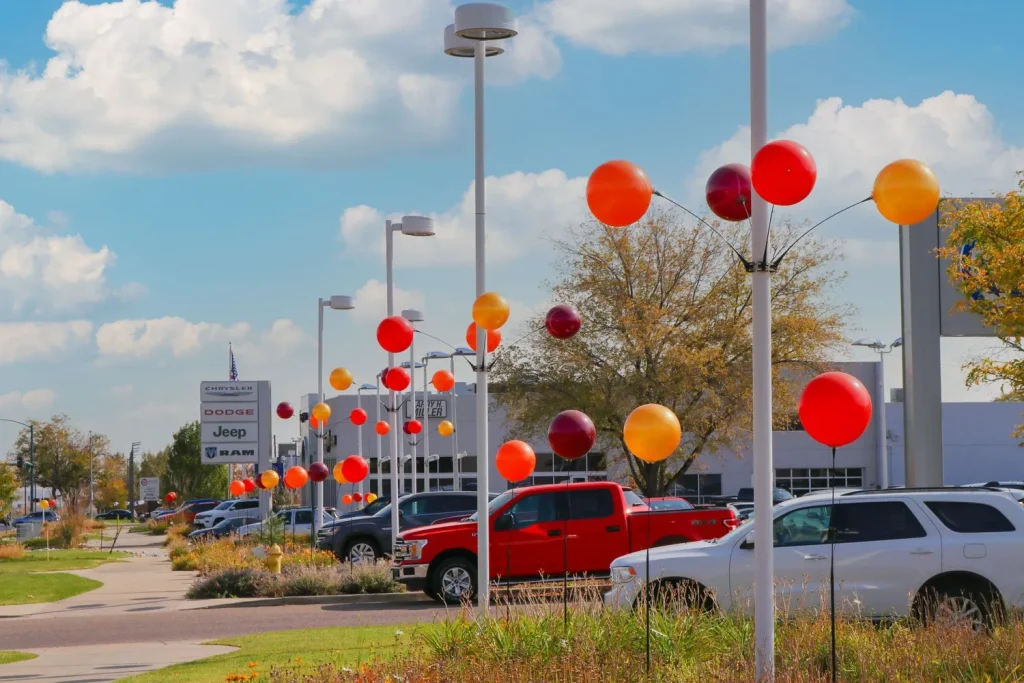
The Future of Automotive Sales: A Former GM’s Reality Check Yeah, I’m old. But not obsolete. As I go for my morning walk up and down A1A and look at all the exotic new cars and stunning restored classics. I get nostalgic. And I can’t help but wonder about the future of automotive sales. So if you’re at the desk wondering how to prepare for the unknown, let me share my experience. The truth is, I’ve watched countless “predictions” about the future of automotive sales come and go. Most miss the mark completely because they’re written by consultants and experts and MBAs who’ve never actually sold cars or managed a sales floor. Here’s what’s really happening to the future of automotive sales, based on what I’m seeing from dealers who are thriving while others struggle to adapt. Stop Preparing for Yesterday’s Tomorrow Yeah I know. It’s kinda a fortune cookie. But think about it. Most store principals are preparing for a future that consultants predicted ten years ago, not the reality unfolding today. Online sales were supposed to kill dealerships by now. Instead, most customers still want to touch, feel, and test drive before buying. The feel of the wheel seals the deal, right? The future of automotive sales isn’t about replacing human interaction. It’s about enhancing it with better tools and processes. The dealers who understand this are the ones setting sales records while their competitors chase digital fantasies. What’s Actually Changing (And What Isn’t) What’s Changing: Customer expectations, information access, and shopping patterns. What Isn’t: The fundamental need for trust, expertise, and local service. I’ve visited dealerships implementing “revolutionary” online sales systems, only to find their conversion rates dropping because customers felt abandoned in the digital process. The future of automotive sales requires blending technology with human expertise, not replacing one with the other. The Real Revenue Shift Nobody Talks About While everyone obsesses over electric vehicles and online sales, the biggest change in the future of automotive sales is happening in plain sight: the shift from new car gross to comprehensive customer lifetime value. Future-proof dealers are building businesses around: Extended customer relationships through service Accessory and protection product sales Multi-vehicle family relationships Commercial and fleet partnerships The dealers making money today aren’t just selling cars, they’re selling ongoing relationships that generate revenue for years. Technology That Actually Matters Forget the flashy predictions about VR showrooms and AI salespeople. The technology shaping the future of automotive sales today includes: CRM Integration: Systems that actually track customer interactions and preferences across multiple touchpoints. Inventory Transparency: Real-time systems that prevent the embarrassment of selling cars you don’t have. Communication Automation: Follow-up sequences that nurture leads without replacing personal interaction. Mobile Integration: Tools that let salespeople access information and process deals from anywhere on the lot. The dealers succeeding with technology are using it to eliminate friction, not eliminate people. The Service Drive Revolution Here’s something most “future of automotive sales” predictions miss entirely: your service drive is becoming your most important sales tool. With longer ownership cycles and higher repair costs, customers are making vehicle decisions based on service experience more than ever. The dealerships preparing for tomorrow are: Training service advisors to identify sales opportunities Creating seamless handoffs between service and sales teams Using service data to predict customer buying patterns Building loyalty through exceptional service experiences Your service department isn’t just fixing cars, it’s building the relationships that drive future sales. Electric Vehicles: Reality vs. Hype Every prediction about the future of automotive sales mentions EVs, but most get the timeline completely wrong. Yes, electric vehicles are increasing, but the transition is happening differently than experts predicted. What I’m seeing in successful dealerships: Gradual adoption, not sudden transformation Customers want education, not evangelism Infrastructure concerns override environmental enthusiasm Hybrid technology serving as a bridge, not a stopgap The dealers thriving with EVs are treating them as additional options, not revolutionary replacements. Customer Expectations Are Evolving, Not Exploding Consultants love to claim the future of automotive sales requires completely reinventing customer service. That’s nonsense. Customer expectations are evolving, but the fundamentals remain the same. Customers still want: Honest, straightforward communication Fair pricing without games Knowledgeable staff who can answer questions Respect for their time and intelligence Solutions that fit their actual needs The difference today is that bad experiences get shared faster and reach more people. Excellence has always mattered, now it’s just more visible. The Death of the Traditional Salesperson (Is Greatly Exaggerated) Another common prediction about the future of automotive sales: traditional salespeople will become obsolete. I’ve seen this claim for twenty years, and it’s still wrong. What’s changing is the salesperson’s role. Instead of controlling information, they’re becoming guides who help customers navigate overwhelming choices. The most successful salespeople I know today are consultants who happen to sell cars, not car sellers who happen to know things. Building Your Future-Ready Dealership The dealerships positioning themselves for long-term success in the future of automotive sales are focusing on: Process Excellence: Eliminating the friction points that frustrate customers and waste time. Staff Development: Training teams to be consultants, not order-takers. Technology Integration: Using tools to enhance human capabilities, not replace them. Relationship Building: Creating connections that extend beyond individual transactions. Operational Efficiency: Streamlining everything from paperwork to delivery. The Coming Consolidation Here’s a prediction you won’t hear from consultants: the future of automotive sales will include significant dealership consolidation. Rising costs, increasing complexity, and margin pressure will force smaller operations to merge or close. The survivors will be dealers who: Build sustainable business models beyond new car sales Create operational efficiencies through better processes Develop multiple revenue streams Build strong community relationships Invest in long-term customer value What This Means for Your Business Today Stop waiting for the future of automotive sales to arrive. Or worse, pretending like it’s not a thing because the truth is: it’s already here. The dealers succeeding today are adapting incrementally, not revolutionarily. Focus on: Improving current processes before implementing new
Discover The Best Time To Sell Cars
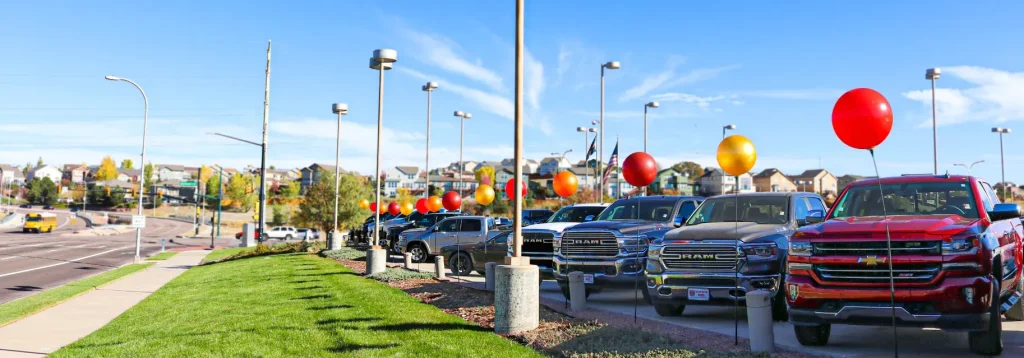
The Best Time to Sell Your Car: Insights from a Former GM Knowing the best time to sell cars can give you a significant advantage, and after decades in the car business, I’ve seen patterns emerge that can make or break your selling experience. Two periods consistently stood out for the dealerships I worked at: tax refund season and year-end biz blowouts. Understand these windows, and you’ll maximize your return while minimizing time on the market. This article reviews key points about those seasons and what you can do to boost your sales. TRY US FOR 30 DAYS Tax Refund Season: When Cash Hits Accounts February through April isn’t just tax season – it’s prime selling season and arguably the best time to sell cars. Why? Simple economics. When buyers suddenly have $2,000+ in refund money, they’re ready to make moves. In recent years, where child credits could give families up to $6K back on their taxes, they’d come in and buy some seriously expensive metal with that amount serving as their 10% down. During my GM days, we’d prepare specifically for this season. Buyers come in with down payment money in hand, ready to pull the trigger. Think about it – when buyers have that refund burning a hole in their pocket, they’re less likely to haggle you down to the last dollar. That extra negotiating leverage can mean hundreds or even thousands in your favor. But the thing of it is, you’ve got to be ready because if you wanna shoot these fish in the barrel, they will swim right on by to the next lot if they don’t stop at yours. Year-End Advantages: The Business Buyer Rush December creates another perfect storm for dealers. Businesses are looking to utilize tax advantages before year-end, and dealerships are looking to hit annual targets. Now, let’s be on the consumer’s side. You’ve got leverage here, too, with trade values. I’ve personally authorized thousands in additional trade-in amounts just to hit year-end quotas. That’s why many dealers consider December the best time to sell cars. You’ve just gotta get it done, and it’s a win-win around the table. The Section 179 deduction is a powerful motivator for business buyers. They need to purchase and put vehicles into service before December 31st to qualify, creating a sense of urgency that works in your favor as a seller – but let’s not forget the buyer benefits/motives either. When I worked at Land Rover, a business buyer could deduct 100% of the depreciation because, technically, many of those vehicles qualified as a truck (due to weight). Creating Maximum Visibility at the Best Time to Sell Cars Whether you’re selling new or used vehicles, visibility is everything. One trick we used at the dealership – and that you can use too – was creating visual excitement around cars we needed to move quickly. Our DuraBalloon® displays positioned strategically near high-value inventory consistently drew more attention and test drives. For private retailers and smaller buy-here-pay-here lots, consider investing in some eye-catching signage or displays when showing your vehicles. It might seem small, but presentation matters. Your lot is not too small to take advantage of eager buyers. During tax season, we’d create special FestiBall® displays highlighting “Tax Refund Ready” vehicles in our showroom. The visual excitement genuinely increased customer engagement with those specific models. When you understand the best time to sell cars, combining it with effective displays creates an unbeatable advantage. GET STARTED NOW – FREE Leveraging Technology During Peak Selling Seasons Understanding the best time to sell cars is just the beginning. Today’s successful sellers also leverage online platforms strategically during these peak periods. During my dealership days, we would ramp up our online presence during tax season and year-end with enhanced listings, virtual tours, and special financing options. Get your CRM working for you and send out tax season incentives and deals. Get your paid ads wizard workin’ and make sure to create PPC and Paid Social Campaigns with ads and adverts jumping in on “tax refund” keyword variants. Even if a potential buyer isn’t considering a purchase, seeing your ad at just the right time could be a motivator. As for your online presence, make it as professional as possible with detailed descriptions, maintenance history, and high-quality photos. Remember, during peak seasons like tax refund time, more buyers are actively searching online. Is your digital sales environment ready? If you have digital retail tools or in-house finance options, make sure buttons are strategically placed. Make it easy to buy from you! Other Factors That Influence Selling Success While timing matters, don’t overlook these critical elements: Seasonal Demand: Convertibles and sports cars command premium prices in spring, while 4WD trucks and SUVs perform better in fall and winter. I’ve seen identical trucks sell for thousands more in November than in July. Vehicle Condition: This seems obvious, but I can’t stress it enough – presentation matters. A detailed vehicle with minor issues addressed will always command more money. At the dealership, we saw a 3:1 return on reconditioning investments. CLAIM YOUR FREE TRIAL Preparing Your Car for Maximum Value it from someone who’s appraised thousands of vehicles – these steps make a difference: Gather all maintenance records and organize them chronologically Address minor issues like scratches, worn wiper blades, or faded headlights Get a professional detail – it’s worth the investment Research your specific model’s current market value Take high-quality photos from multiple angles At my dealership – we collected all of these documents and data and called it our “Worry Free Folder.” We’d have em right on the passenger seat or the dash and buyers could answer their own questions before they’d even ask. Again… just make it easy. The Bottom Line on the Best Time to Sell Cars After years in the business, I’ve found that timing really is everything. Tax refund season (February-April) and year-end (especially December) consistently deliver better results for
Selling Cars in a Recession: A Former GM’s Proven System

Would you believe that selling cars in a recession was actually a gift for many of the stores I ran? I know that might not make sense, but when stocks plummeted or plagues ran wild, sales soared. The dealerships that panicked closed. Those who found ways to innovate and refresh how they connected with customers saw award-winning years as if money was printed and fell from the clouds. I’m not exaggerating. This was very real, and I am sharing my thoughts sincerely with you here and now. If you’re like most dealership principals in 2025, you’re looking at 25% hikes on the cost of import vehicles. Yikes. But do you panic? Or do you find steadiness and resolve to do what it takes to sell cars no matter what? Here’s the deal – Trade wars or tariffs be damned. People will always need cars. They will always have to buy them. They will always find the money or buy the money (loans) to do it. What matters most is your end of the deal, which comes down to some favorite advice that I got from a GM I trained under in Darien, CT. He said, “No one wants you to sell them anything. They want you to make it easy for them to buy what they want and need.” This principle drove dealership success in 2008, again in 2020, and will now for those dealerships willing to do what it takes. Here’s my best advice for selling cars in a recession that is still profitable and enjoyable for both sides of the desk. TRY US FOR 30 DAYS Focus Is Your Friend When Selling Cars in a Recession When economic uncertainty hits, most dealerships make the fatal mistake of chasing any deal with a pulse. They broaden their focus, slash their margins to rock bottom, and create a desperate atmosphere that customers can smell from a mile away. The truth? Selling cars in a recession requires the exact opposite approach. In every downturn I’ve managed, the dealers who thrived doubled down on their specific strengths rather than diluting them. If you’re known for luxury SUVs, lean into that. If your sweet spot is affordable family sedans, own that space completely. How to sell in a bad economy isn’t about being all things to all people – it’s about being everything to theright people. And I’ll tell you something else… the right people are always ready to buy… When budgets tighten, customers become more discerning, not less. They want confidence that they’re making a smart decision, and that confidence comes from your expertise in a specific segment. No Excuses, No Fear The second you start using the recession as an excuse for bad business practices, you’ve already lost. I’ve witnessed too many sales managers adopt an air of desperation when the economy tanks, taking unprofitable deals, abandoning qualification standards, and creating a culture of neediness. “The volume play” is an outdated way of thinking. Remember this: people buying during economic downturns are especially sensitive to fear. They’re already anxious about their purchase, and if they sense your desperation, they’ll either walk away or use it against you in negotiations. Selling cars in a recession successfully means maintaining your business principles. Bad deals don’t suddenly become good deals because times are tough. In fact, the financial impact of bad deals becomes even more pronounced when overall volume decreases. Cast Your Net Wider Geographically While I’ve advised against broadening your product focus, one area where expansion makes sense during economic downturns is your geographic reach. Not all markets are affected equally by recessions, and digital tools make it easier than ever to attract customers from further away. One particularly successful strategy I implemented when selling cars in a recession was targeting customers from 50-100 miles outside our normal trading area. We highlighted our specific inventory strengths and offered additional value for those willing to make the drive If you are not familiar with what it takes to do that kind of thing, send us an email, and we’d be happy to share our local SEO and social media advertising tips. This approach helped us maintain sales volume while our competitors fought over a shrinking local customer base. How to sell cars in a bad economy often comes down to finding customers whose local market is hit harder than yours GET STARTED NOW – FREE Data Becomes Your Secret Weapon There’s no better tool for efficiency than clean, actionable data. When I managed dealerships through economic downturns, we became obsessive about measuring and optimizing every aspect of our operation. We tracked: Cost per lead by marketing source Conversion rates at each sales process stage Customer acquisition costs by model True profitability of each unit (including F&I) Customer follow-up compliance and effectiveness This data-driven approach allowed us to quickly identify what was actually working in the changing market conditions. Selling cars in a recession requires this kind of precision – you can’t afford to waste resources on ineffective strategies. Climb Down the Lead Generation Ladder During good times, you can focus primarily on building your brand and generating organic leads through reputation. When selling cars in a recession, you must complement these efforts with more direct lead generation activities. Think about it. You need to buy a car. You’re sitting at home, freaked out about health insurance premiums, paying your gardener, and 25% on top of a monthly payment. But wait! What’s that? The phone is ringing and it’s the nice salesperson from the dealership you purchased/leased from previously. Start the trusted and easy conversation now. My most successful recession strategy involved a systematic approach to past customers and orphaned service clients: Personal phone calls to customers 2-3 years into their loans/leases Targeted offers based on equity position and current incentives Specific focus on service customers who purchased elsewhere While these activities require more effort than waiting for inbound leads, they produce immediate opportunities. How to sell
How to Sell 30 Cars a Month: A Former GM’s Proven System

If you want to learn how to sell 30 cars a month, this might just be the only guide you ever need. Read it. Learn it. Try it. And you’ll be well on your way to hitting that goal and beyond. Whether you’re a car dealership looking to build momentum or a salesperson at a larger store trying to up your game so you can grab more spiffs and unit bonuses, then you’ll love what I have to share in this article. With decades as a GM of a highline store, I worked my way up from mopping the shop to lot porter, to reception to sales, to BDC, and finally a GM. I have seen and done it all, and I’m passing on my knowledge here so that you can sell from a position of power in a way that inspires customers to come back because you were actually helpful and not sleazy. So if you’re ready, I’m ready. Let’s dig into the top 10 proven tactics about how to sell 30 cars a month (or even more)! TRY US FOR 30 DAYS How to Sell 30 Cars a Month Tip #10: Master Your Inventory Like Nobody Else When I was in the trenches selling cars, the difference between 15 units and 30+ was often as simple as knowing my inventory cold. Sure. A customer might come in on one particular vehicle, or maybe you landed them on something. But you should always have a switch car. Now, by knowing your inventory, I’m not talking about the basics (selling Ford’s at a Ford store, Chevy’s at a Chevy store, duh)! I’m talking about knowing the history of every pre-owned vehicle, the specific packages on new cars, and which units had the features customers frequently requested. Here’s the hard truth: at smaller dealerships, you’ve got fewer units to learn, so there’s zero excuse for not knowing your stock intimately. At larger stores, this becomes your competitive advantage against other salespeople who can’t be bothered. I made it a ritual to walk the lot every morning before doors opened, noting new arrivals and familiarizing myself with each vehicle. This isn’t just about memorizing specs; it’s about understanding the story behind each car. When a customer asks about that used Camry, knowing it was a one-owner lease return with all service records gives you credibility that online listings can’t match. Learning how to sell 30 cars a month starts with the foundation of product knowledge that builds instant trust. How to Sell 30 Cars a Month Tip #9: Respond to Leads Within 5 Minutes, Not 5 Hours Time kills all deals. Period. The modern customer shops multiple dealerships simultaneously, and whoever responds first often wins the business. When I managed top performers, they all shared one habit: fanatical lead response times. In fact, when I was an eComm manager at Autonation, we often fired salespeople who didn’t respond to their e-leads in less than 12 minutes. At a smaller dealership, you might be juggling multiple roles, but nothing – and I mean nothing – should take priority over a fresh lead. At larger stores, you’re competing against your colleagues for the same opportunities, so speed becomes even more critical. The data is clear: responding within 5 minutes increases your chances of contact by 100x compared to waiting an hour. This isn’t just about checking a box; it’s about conveying urgency and respect for the customer’s time. If you’re serious about how to sell 30 cars a month, you need to become obsessive about lead response times. Set up text alerts, keep your phone on you at all times, and treat every incoming lead like it’s the difference between making your bonus or going home empty-handed – because often, it is. How to Sell 30 Cars a Month Tip #8: Be a Guide, Not a Salesperson The old-school “always be closing” mentality doesn’t work with today’s informed buyers. To consistently hit 30 cars monthly, you need to position yourself as a trusted guide, not a pushy salesperson. During my time on the floor, I developed what I called the “seamless needs analysis” – a conversation that felt natural to customers but gave me everything I needed to match them with the perfect vehicle. Here’s how it works: rather than firing off features and asking closed questions, engage customers with open-ended questions about their lifestyle: “What activities do you typically use your vehicle for?” “What’s been frustrating about your current car?” “If you could change three things about your driving experience, what would they be?” This approach works whether you’re at a small dealership where you need to maximize every up, or a large store where differentiating yourself from other salespeople is crucial. Also… if you can get through these questions casually, you can also slide in price qualification pretty darn easily: “And do you own or lease?” “Paying about how much per month?” “Would you be interested in paying less or going all out?” The salespeople who master this consultative approach consistently outperform their peers. When customers feel understood rather than sold to, your path to selling 30 cars a month becomes much more straightforward. GET STARTED NOW – FREE How to Sell 30 Cars a Month Tip #7: Follow Up Like Your Paycheck Depends On It Because it does. I’ve reviewed thousands of sales records, and the pattern is crystal clear: consistent 30+ car sellers have impeccable follow-up systems. Most customers don’t buy on their first visit, and many salespeople give up after one or two attempts. When I was climbing toward management positions, I developed a 12-touch follow-up sequence that converted prospects other salespeople had written off. Day 1: Thank you email/tex Day 2: Personal video of the vehicle they liked Day 3: Phone call with a specific question about their needs Day 5: Value-add information about the vehicle Day 7: Alternative suggestion Day 10: Testimonial or review Day 14: Special offer Day 21:
7 Ways To Improve Car Dealership Customer Loyalty And Retention
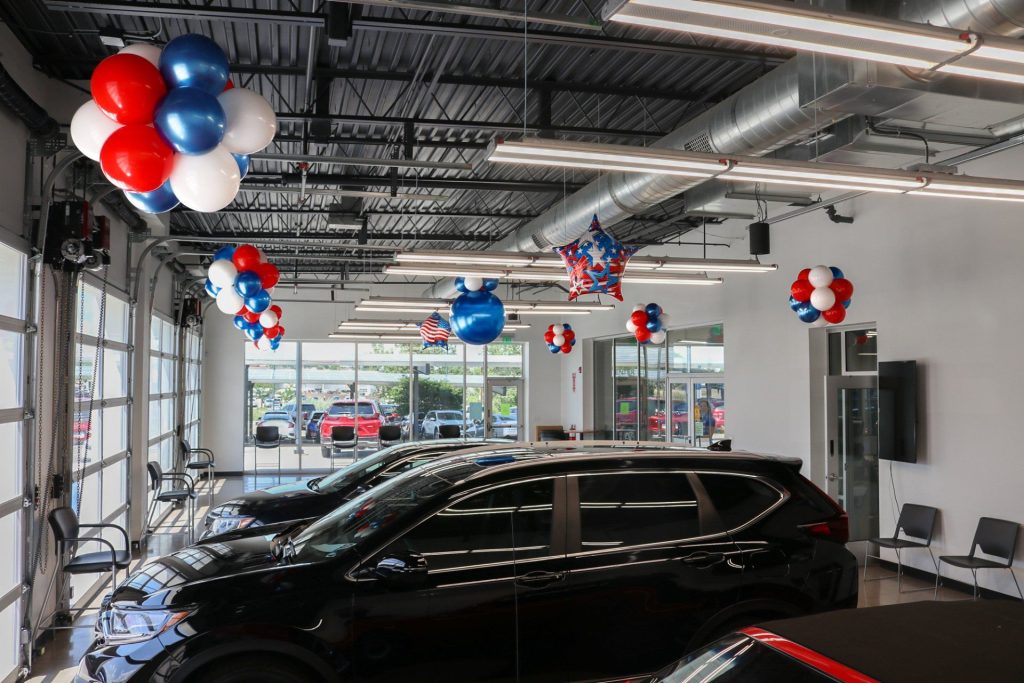
After two decades as a GM, I’ve learned that customer loyalty isn’t something you can buy with points programs or birthday cards. To truly improve car dealership customer loyalty and retention, you need a comprehensive approach that starts with your team and extends through every customer touchpoint. So many people are out there talking about tech, tricks, and automation – but they’re missing the point. Of course, continual customer communication counts – but if you want the secret to dealership loyalty and customer retention – the biggest clues are right in front of you. Why Most Customer Retention Programs Fail Quick story about my first year as a GM. We had all the standard loyalty programs – points cards, birthday mailers, service reminders. Our retention was still terrible. Why? Because we were treating the symptoms, not the cause. Most dealerships focus on surface-level loyalty programs without addressing the core issues. Yeah, everyone loves a nice promotion, but as it turns out, the transactional aspect of the journey matters the least, and this is where I still see car dealerships getting it wrong. Let me share seven proven strategies that actually work to improve car dealership customer loyalty and retention the right way. CLAIM YOUR FREE TRIAL 1. Invest in Your Team First & Guarantee Your Customer Loyalty You can’t expect customer loyalty when your team feels undervalued. I know I might be about to give you a heart attack, but stop licking your chops over YOUR monthly bonus and start thinking about the simple fact that your employees can’t even pay for their health insurance. At my last store, I made a radical change that scared my dealer principal at first – I eliminated the traditional draw system and implemented true profit sharing across all departments. When we let our sales team desk their own deals (within guidelines) and gave service writers more autonomy, something amazing happened – they started treating customers like partners instead of transactions. They actually started to care about our store policies and process. And frankly, they found holes and ideas that made it better. Willingly! Here’s what we implemented: Eliminated the traditional draw against commission Introduced profit sharing for all customer-facing roles Created transparent deal structuring guidelines Implemented better spiffs and unit bonuses Added service writer incentives tied to customer retention The results? Our employee turnover dropped by 60%, and our customer satisfaction scores shot up by 35%. Better spiffs, unit bonuses, and real earning potential turned our team into true customer advocates. We talk a lot about customer retention… but what about employee churn? Your employees aren’t pawns. They’re people. Care about them, and they’ll care about the store. I dare you to prove me wrong. 2. Dealership Customer Retention With Proactive Customer Engagement Gone are the days of waiting for customers to come to you. We implemented a comprehensive customer outreach program that goes beyond automated emails. Our approach includes: Personalized service reminders Market value updates Early lease-end consultations Regular check-ins from dedicated team members Vehicle anniversary recognition Maintenance milestone celebrations The key is consistency. We assigned specific team members to maintain regular contact with their customer portfolio, creating personal connections that last beyond the sale. 3. Personalized Communication Strategy Drives Dealership Customer Retention Generic messages don’t build loyalty. We analyze customer data to deliver relevant, timely communications that address specific needs and preferences. This targeted approach doubled our response rates. Our communication strategy included: Vehicle-specific maintenance tips Custom purchase anniversary messages Family-specific vehicle recommendations Local event invitations based on interests Market updates relevant to their current vehicle 4. Enhanced Customer Experiences Create Customer Loyalty Every touchpoint matters in the journey to improve car dealership customer loyalty and retention. We’ve created a welcoming environment with the following: Comfortable waiting areas Transparent service updates Streamlined processes Regular facility updates Children’s play areas Premium coffee stations (pick good snacks; nobody likes stale bagels) Fast Wi-Fi and workstations Clear directional signage I remember when we first upgraded our customer areas – one longtime customer told me it felt more like a high-end hotel than a dealership. That’s exactly what we were going for. LET’S GET STARTED 5. Data-Driven Retention Programs For Modern Customer Loyalty Strategies Modern technology helps identify at-risk customers before they leave. We track: Service patterns Communication engagement Market shopping behavior Customer satisfaction metrics Social media interactions Website activity Trade cycle indicators This data helps us predict when customers might be ready for their next vehicle or at risk of defecting to another brand. 6. Create Celebration-Worthy Moments for Your Customers We transformed routine interactions into memorable experiences. Our showroom and service drive feature seasonal displays that create an atmosphere of excitement. Whether it’s a customer’s first oil change or their third vehicle purchase, we make it special with: Professional balloon displays Personalized welcome signs Delivery celebration areas Photo opportunities Achievement recognition Service milestone celebrations Family event spaces One of my favorite memories is watching a customer’s face light up when they saw their name in lights (well, on our digital display) during their 10th year as a customer. It was a really moving experience because this man had been buying cars here forever. And now he was in his mid-80’s. He looked at us and said, “You know, this is probably the last car I’ll ever buy. I’m glad it was with you, and I’m glad you cared about me.” These moments matter. Don’t miss the chance to create them. 7. Focus on Long-Term Relationships For Customer Loyalty That Counts The key to improve car dealership customer loyalty and retention is thinking beyond the immediate sale. We: Host owner clinics Provide ongoing vehicle education Offer exclusive service benefits Build community connections Support local events Create customer advisory boards Develop family-focused programs In a sense, we leaned into a farmers-market/local coffee-shop mentality. Our store wasn’t something to be feared or resisted. Our store became our customer’s place. They felt it. We knew it. And it mattered.
How To Sell More Cars By Using The Service Drive | Shhh!
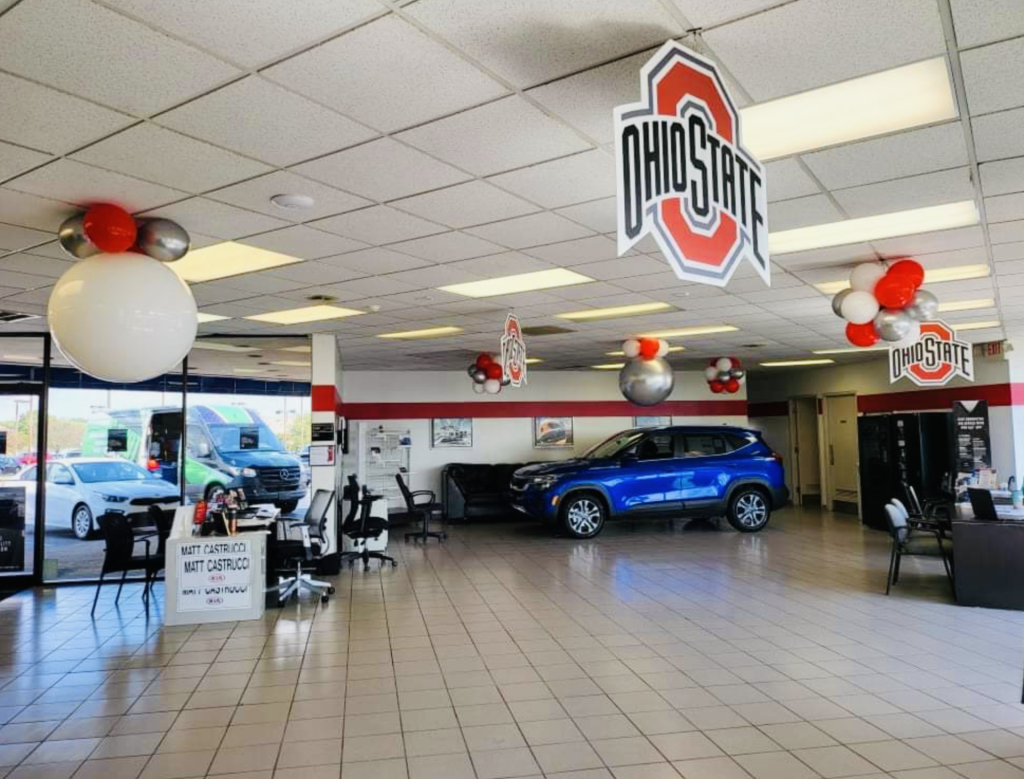
If you want to learn how to sell more cars by using the service drive, buckle up and hang on because I’m going to share the fool-proof way to profits. After 20 years in the car business, I’ve learned that one of our most valuable assets is our service department and its database. Interestingly, I’m constantly surprised by the reluctance of some dealerships to spend the time and effort it takes to sell more cars by working the service drive. If you’ve been putting this off for way too long, let’s smash those preconceived notions and get you in the game so that you can roll more cars. How to Sell More Cars by Using The Service Drive: Step 1 Every day, potential buyers roll into your service department. These aren’t cold leads – they’re customers who already trust your dealership with their current vehicle. And let’s face it, when a $2500 repair bill comes the way of a customer who no longer sees the value in their current ride, that’s how to sell more cars by using the service drive 101! When I ran stores in the North West, we discovered that our service customers were 2.5 times more likely to purchase their next vehicle from us than cold prospects. It’s true. Saying goodbye to that old family friend is tough, but they know, like, and trust you already, so you’re already off on solid footing. Plus, they feel safe. So, how do you make the connection when they need you most? CLAIM YOUR FREE TRIAL Trust Between Departments This is a big one. If there was ever a reason to treat your service manager with respect, it’s this.Every service writer should know that when a customer is moaning over what seems to be a big bill on a car that’s not worth much in their eyes, they need to be directed to sales. Here’s a favorite word track: Hey there [name], we know it might be the end of the line for your current car because it doesn’t make sense financially. What if a downpayment was less than your repair bill – and you could drive off in a new(er) vehicle? It doesn’t hurt to look. Plus, your trade will knock down the final price and help you save on taxes and registration. Let me get you a cup of coffee and someone I know you’ll like from our sales teams. Fair? I can’t tell you how many times that word-track has sold new cars, and if you’re wondering how to use the service drive to sell more cars, this is it! Now that said, maybe the service drive is slammed, and they don’t have time to run and get you. How do you know this situation might be on the horizon? Equity Mining: Where to Start If you haven’t upgraded to a new DMS, you’re short-changing yourself. There are plenty of third-party equity mining tools as well, so if you don’t want to do a complete CRM migration, you should go the 3rd part route. That said, schedule a training for everyone on your service team. No one can skip! Not even if they have a delivery (well, maybe then). Here’s what you’re looking for: Customers nearing the end of their warranty Vehicles approaching high-maintenance mileage points Positive equity positions Models in high demand for your pre-owned inventory Service histories indicating potential trade-in opportunity Make sure to ask the sales rep for your equity mining tool about all of these intent markers. They should be well-skilled at showing you how to recognize and respond to these signals. How to Sell More Cars By Using the Service Drive: Part 2 Now, let’s hit the pause button. You don’t always need the fancy new digital stuff. Cars were being sold for a century before any of these tools came along. I remember one instance where we used an old-school credit card machine and manually wrote purchase orders on printer paper when a snowstorm killed our power. No excuses! Be a star and sell that car!!! But seriously, if this type of thing happens to you, you’ve got to have a system in place to get your service customers into the showroom. This is where physical marketing becomes crucial. We strategically placed our DuraBalloon® displays to create a natural path from the service drive to the showroom. Your service customers should be able to see new inventory while they’re waiting for their vehicle. We found success by: Installing PermaShine® displays in the service waiting area featuring current offers Using Car Lot Flags to highlight the path between service and sales Placing FestiBall® installations at key decision points Creating a welcoming atmosphere that invites exploration If you’re curious about what this would look like for your dealership, you can try our Balloon Innovations for free! Implementing the Strategy Here’s the exact process we used: Morning Meeting Reviews Service appointments for the day Equity positions of incoming customers Current inventory matching their profiles Special offers applicable to each situation Service Writer Training Teaching basic equity conversations Understanding current promotions Recognizing buying signals Making smooth sales introductions Physical Environment Clear pathways to the showroom Professional display placement Digital service boards showing current offers Comfortable transition spaces And my personal favorite? Offer to buy the customer lunch! Yes, that’s right. $25 and one UberEats order later, you’ve got a customer that LOVES YOU and will be ready to buy two vehicles!!! LET’S GET STARTED The Follow-Up Process Now, sometimes, the customer will literally run away and potentially abandon their car there. No one wants that. And you certainly don’t want to issue a shop lein. Instead, try this systematic approach for those who head for the hills: Immediate Follow-Up Same-day email with their service summary Vehicle upgrade options based on their equity Current promotional offers Personalized trade-in estimate Ongoing Nurture Monthly service newsletters with inventory spotlights Seasonal maintenance reminders with special offers Birthday and purchase anniversary messages Market value
Why Dynamic Content is Essential for Modern Car Dealerships

The future is digital, and if you’ve got a templated website from the OEM, you might as well light your future sales on fire! The last thing you need is a website that’s a YellowPages. As a former dealership GM, I learned that dynamic content isn’t just a fancy tech term – it’s a crucial tool for driving sales, improving search rankings, and delivering the kind of customer experience that turns browsers into buyers. What Makes Content Dynamic? Dynamic content for dealerships automatically updates based on real-time data, user behavior, or inventory changes. Think of it as having a virtual sales team that’s always up to date and ready to provide exactly what each customer needs. CLAIM YOUR FREE TRIAL The Sales Impact of Dynamic Content for Dealerships Nothing kills a potential sale faster than outdated information. When a customer clicks on a vehicle only to find it was sold last week, you’ve lost that opportunity and potentially damaged their trust in your dealership. Dynamic content ensures that: Available inventory is always current Pricing reflects the latest incentives Special offers update automatically Customer recommendations stay relevant Google Loves Fresh Content Search engines service you up in those top spots when they always see you updating your content. So why not have your content do it on its own? Dynamic pages signal to Google that your site is active and maintaining current information. This typically results in: Higher search rankings Better local SEO performance Increased organic traffic More qualified leads Enhanced Customer Experience Today’s car buyers expect Amazon-level personalization. Dynamic content really comes through because it’s: Showing relevant vehicles based on browsing history Adjusting payment calculators to local rates Displaying nearby inventory first Updating specials based on customer interests Dynamic Content for Car Dealers Implementation Tips Starting with dynamic content doesn’t have to be overwhelming. Here’s one of my no-brainer ways to implement it: Inventory Feed Integration! Implement an inventory management system that automatically updates your website. Ensure it includes: Real-time availability Current pricing Multiple photos Detailed specifications Similar vehicle suggestions Pro Tip: Make sure to create smart forms that adapt based on customer input. For example: Pre-fill known information Show relevant finance options Adjust terms based on credit tier Provide instant trade-in estimates LET’S GET STARTED Dynamic Content for Car Dealers: A Recap The digital retail experience is everywhere, and if you’re losing time (and sales) because of inventory management issues, dynamic content will play a crucial role in making your life easy so you can sell more cars. Dealerships that embrace this technology now will have a significant advantage over those still relying on static pages. While it sounds pretty heady, you should definitely ask us about the digital provider we use here because they’re awesome. Remember, dynamic content for car dealers isn’t just about technology – it’s about providing better customer service while making your dealership more efficient and profitable. Start small, measure results, and expand your dynamic content strategy based on what works best for your market and customer base. The investment in dynamic content today will pay dividends in increased sales and customer satisfaction tomorrow. GET STARTED NOW – FREE
PPC for Car Dealers: A Complete Guide to Driving Quality Leads
As a former dealership GM who’s managed millions in ad spend over the years, I know firsthand that PPC (Pay-Per-Click) advertising can be either a goldmine or a money pit for car dealers. While the concept seems simple – bid on keywords, show ads, get leads – the difference between profitable campaigns and wasted budget often comes down to the details. That’s why understanding PPC for car dealers is crucial to your success and why I’m going to walk you through some of the most important aspects of this largely misunderstood channel. The truth is, when it comes to PPC for car dealers, there’s a lot more involved than just setting a budget and picking some keywords. Let’s explore the essentials you need to know to make your campaigns successful. Why DIY PPC for Car Dealers Often Fails I’ve seen too many dealerships try to handle their own PPC campaigns, usually with disappointing results. The automotive PPC landscape is incredibly competitive, with sophisticated dealership groups and third-party sites all battling for the exact keywords. Without proper strategy and management, you might as well be throwing money out the window. Boost Your Sales with Call Lot Balloons Are you leaving leads on the table? Call lot balloons are a game-changing tool for grabbing customer attention and driving foot traffic directly to your dealership. Learn how this simple yet effective strategy can set your inventory apart and maximize your sales. Claim Your Free Trial Keyword Research: The Foundation of PPC for Car Dealers Start with the Google Ads Keyword Planner, but don’t stop there. Cross-reference your findings with SEO tools like Ahrefs or SEMrush to understand the complete search landscape. For example, if you’re targeting “Toyota lease deals in Phoenix,” you’ll want to know: Monthly search volume Seasonal trends Related keywords Competitor bidding patterns Cost-per-click estimates Building Your Keyword Strategy One of the most challenging aspects of PPC for car dealers is structuring campaigns effectively. Structure your campaigns around clear themes: Brand searches Model-specific searches Lease/finance terms Location-based modifiers Pro tip: Create separate campaigns for new and used inventory, and always include negative keywords to prevent wasted spend. Setting Up Effective Bidding Your bidding strategy should align with your goals. If you’re focusing on “Honda lease deals in Miami,” consider: Time of day adjustments (bid higher during showroom hours) Geographic targeting (increase bids in affluent areas) Device modifiers (mobile vs. desktop performance) Audience targeting (previous website visitors, in-market segments) Ready to Skyrocket Your Dealership Traffic? Stand out in a sea of competitors with call lot balloons that deliver a clear, impactful message. Perfect for promoting specials, highlighting inventory, or creating an inviting atmosphere, this strategy can transform your lot into a sales-driving machine. Learn More About Call Lot Balloons Today! Landing Pages: The Missing Link Here’s where most dealers drop the ball: sending all PPC traffic to their homepage. Every ad should have a dedicated landing page that matches the search intent. If someone searches “BMW 3 Series lease deals in Dallas,” they should land on a page about BMW 3 Series lease offers. Your landing pages should include: Clear pricing information Current Incentives Simple contact forms Mobile Optimization Fast loading times Now, depending on the skill level of your BDC or digital provider, you might want to augment any of these campaigns with remarketing, dynamic ads, call-only, model comparison pages, and your GBP. The Bottom Line: Sales Matter Most All the clicks and leads in the world don’t matter if they’re not turning into sales. Track your PPC leads through the entire sales funnel. Know your cost per sale and optimize accordingly. A higher cost per click that delivers better quality leads might be worth more than cheaper clicks that never convert. Tips for Long-term Success Stay current with Google Ads updates Regularly refresh ad copy Test new landing pages Monitor competitor activities Adjust to market conditions Here’s a kicker – the new platform has all these automations that are supposed to make your life easier. But I’ve seen those options kill too many campaigns to know that you should have a skilled person managing all your settings. Implementing effective PPC for car dealers isn’t for the faint of heart and often requires expertise. Start by auditing your current campaigns against these best practices. And if you’re feeling overwhelmed, remember that professional management usually pays for itself in improved campaign performance and higher quality leads. Remember, successful PPC for car dealers isn’t about winning every auction but the right ones. Focus on the keywords and strategies that deliver actual buyers, not just tire kickers. Above all, keep your eye on the ultimate goal: moving metal. Everything else – clicks, impressions, CTR – are just metrics along the way to what really counts: selling more cars. Try Call Lot Balloons Risk-Free! See the difference call lot balloons can make for your dealership with our no-obligation free trial. Test how this powerful tool drives more foot traffic, improves visibility, and helps you close more deals—all at no cost to you. Claim Your Free Trial Today
Use These GM Proven Dealership Marketing Strategies
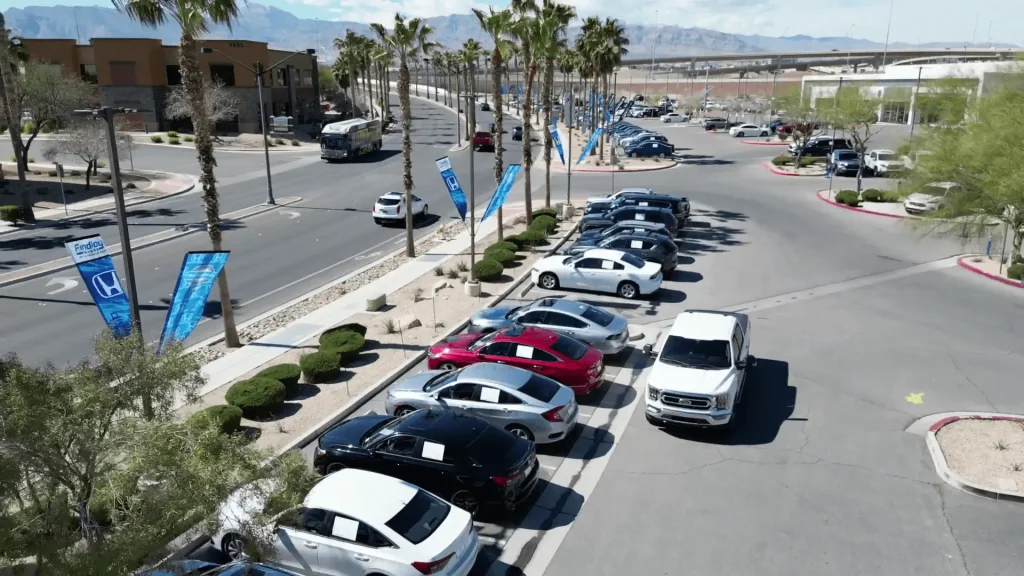
GM-Tested Top 18 Dealership Marketing Strategies to Boost Car Sales As a former General Manager who’s been in the trenches for more years than I care to admit, I’ve seen firsthand what works and what doesn’t when it comes to dealership marketing strategies. As a contributing writer for my friends at Balloon Innovations, I’m sharing my favorite 18 tactics that can help you rev up your sales and leave your competition in the dust. Let’s face it: selling cars can be brutal. There are amazing moments, that’s for sure, but between finding lost keys, having service rollups smash cars about to be delivered, and that slip-and-fall that just happened in the employee lounge, you’ve got a lot on your plate. So, let’s take a minute to focus on making sure your retail sales are the last thing you’ll have to worry about during your day. These proven tactics worked for me at my Highline store, and I know they’ll work for you. Let’s count them down! Invest in Car Lot Balloons!!! Yeah. You might have seen that one coming. But seriously. Slow down for a second. I know you might be thinking, “Car lot balloons? Really?” Here’s the thing – this tried-and-true method is still one of the most effective ways to draw attention to your dealership. And in a world where the other marketing strategies (named below) can be expensive, this one, is not. There’s something about those big, colorful balloons that catches the eye and signals “something special is happening here.” They create a festive atmosphere that draws people in and gets them excited about buying a car. Do one of the best things for your dealership this year. Take advantage of Balloon Innovations current promo and free trial. The ROI is killer and there will be an uptick in conversions you’ll be able to see as a result. CLAIM YOUR FREE TRIAL Build a User-Friendly Unique To You Website Now, outside of being attractive from the street, you’ve got to be just as inviting with your online store. Just because your OEM dropped a templated website for your franchise, that doesn’t mean your job is done. Quite the opposite. There’s more issues with franchise website templates than you might realize. So make sure you’re is unique to your store. In today’s digital age, your website is often the first impression potential customers get of your dealership. Make sure it’s a good one! A sleek, easy-to-navigate website can be the difference between a lead and a lost opportunity. When I was a GM, we revamped our website to make it mobile-responsive and intuitive. The result? Our online leads increased by 30% in just three months. Remember, your website should be more than just a digital brochure – it’s a 24/7 salesperson. Implement Search Engine Optimization (SEO) Ok ok ok. You’re visible from the street. Your digital storefront looks great. But now… you’ve got to determine if people can find you online, just as easily as they can from the road. Do this: Write down your top five selling models. Now go to Google and type in “[Model] Finance Deals in [Your City] or [Model] Lease Specials in Your City.” Do you come up ahead of your competitors? Or at all? If your dealership isn’t showing up on the first page of Google, you’re missing out on a lot of potential customers because that’s what they’re typing into Google to find you. And those templated websites I just mentioned are killing you where you sleep. SEO is like having a prime location on the busiest street in town, but for the internet. We used to think SEO was just about stuffing keywords into our website but once we started to use our co-op dollars the right way, this became one of our favorite dealership marketing strategies. An optimized website is all about creating valuable content, optimizing your site structure, and building quality backlinks. Once we got it right, our organic traffic doubled within six months. If you need an automotive SEO specialist, ask the team here at Balloon Innovations. They’ll connect you with the best. Leverage Content Marketing Content is king in the digital world. By creating helpful, informative content, you position your dealership as a trusted authority in the automotive space. In my GM days, we started a blog where we shared car maintenance tips, comparisons between different models, and local driving guides. Not only did this boost our SEO, but it also gave our sales team valuable content to share with potential customers. Not sure who to saddle with this project? Typically your BDC manager will have some idea of what to do here. But again, we’ve got a great web team that we can connect you with. Embrace Social Media Marketing Social media isn’t just for sharing memes and vacation photos. It’s a powerful tool for connecting with your community and showcasing your inventory. And frankly, when my sales team was doom scrolling on slow days, I didn’t yell at them. I paid attention. I asked questions. I learned what worked. Then we put all those ideas to work for us. We found success by sharing behind-the-scenes content, customer testimonials, and even live videos of new arrivals at the dealership. It humanized our brand and kept us top-of-mind when people were ready to buy. Going live was also really fun and when we got over the fact that we didn’t look like Tom Cruise, we had a great time connecting with our customers. Invest in Video Marketing If a picture is worth a thousand words, a video is worth a million. Video content can showcase your inventory, highlight your dealership’s personality, and provide valuable information to potential buyers. When we started creating virtual test drive videos, we saw a significant increase in inquiries about specific models. People loved getting a more immersive look at the cars without having to visit the dealership first. Pro tip: if you store these, your sales team can fire them
Dealership Sales and Marketing Automation Tips That Drive Results
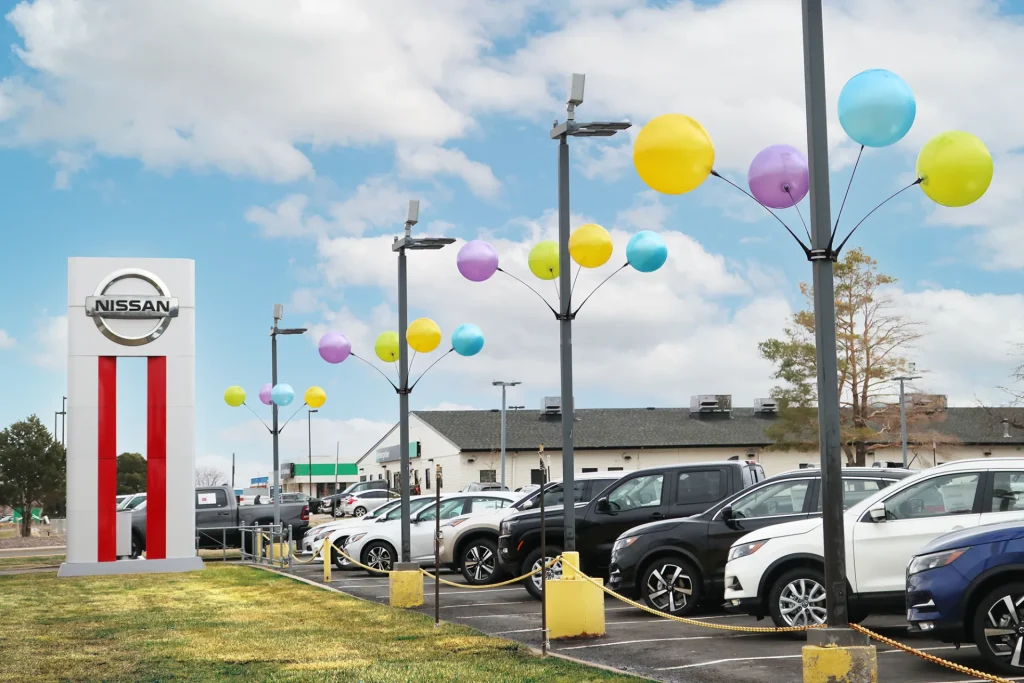
Looking to streamline your dealership’s marketing efforts while boosting sales? You’re in the right place! We sat down with our staff retired GM to get the scoop on how he leveraged a balanced marketing approach to crush his store’s sales and revenue goals. Randy – Take it away! Thanks guys. After years on the dealership floor, I’ve learned that success comes from combining smart automation with proven physical marketing strategies. You can’t operate a car dealership like your parents did, but you also can’t get too far down the automation rabbit hole where you lose personalization. After all, you’re still selling a car to a person. And whether they’re on your lot or you’re in their inbox, you’ve got to maintain that feel. So, let’s get right to it and see how we can combine cutting-edge automation with proven physical marketing strategies to transform your dealership’s performance. Building Your Digital Automation Engine When I first became GM, our digital marketing was a mess. We had a CRM full of stale leads and a social media presence that consisted of random posts whenever someone remembered. Social media platforms are way more sophisticated nowadays, and if yours are not set up for lead generation, then you’re just losing out on sales. Here’s how we fixed it and how you can too. Building Your Digital Automation Engine We built what I call the “Never Miss a Lead” system. It starts the moment a prospect hits your website or walks through your door. Here’s the exact sequence we used: Immediate Response: Within 5 minutes of form submission, prospects receive a personalized SMS and Email Day 1-3: Three-touch sequence introducing their dedicated sales consultant Day 4-14: Value-building content about their vehicle of interest Day 15-30: Social proof and testimonial content Day 31+: Long-term nurture with service tips and trade-in opportunities Are you still with me? Hopefully, because if the above went over your head then you definitely need to reconsider how you’re using your social media platforms. They have all the capabilities to become traffic drivers to your CRM – where you can leverage personalized automation while your sales team reaches out. Now, here’s the thing – this automation needs to align with your physical presence. Lead capture means absolutely squat if your leads cannot find you! Let me show you how we integrated physical marketing automation to amplify our results. START MY FREE TRIAL Physical Marketing Automation: The Game-Changer When your potential customers can see you and stop, your dealership marketing taps the OG automation – a constant stream of fresh-ups. Remember when we had to constantly replace those cheap latex balloons that looked terrible after a day in the sun? Your GM would yell at you if you were the new guy. It could be raining, storming, or snowing lol, and you had to get out there and deal with the displays? Thankfully, those days are gone. Let me show you how we transformed our physical presence with zero added effort from our sales team. DuraBalloon®: Your 24/7 Silent Salesperson In my GM days, we discovered that DuraBalloon® displays weren’t just decorative – they were essential lead generators. Here’s what makes them special: Weather-resistant construction that maintains a pristine appearance and brand awareness Strategic placement capabilities that draw attention from major traffic arteries that frame your lot Managed maintenance schedule that eliminates daily checks and annoying start-up duties Coordinated color schemes that match your digital branding We positioned these at key visibility points and saw a noticeable uptick in walk-in traffic within the first month. But here’s the real genius – we integrated them with our digital strategy. How? For starters, our social media platforms were filled with images of our dealership from the road. Sure, our inventory changed, but our balloons remained the same (except during the holidays). This became an instantly recognizable beacon for our hard-earned digital customers because they didn’t drive to the next store over. They recognized us from the road! PermaShine® and FestiBall®: Your Attention-Getting Showroom Experience Your showroom is where digital leads become buyers. We transformed ours into an automated experience using PermaShine® displays and FestiBall® installations. We found that strategic placement of PermaShine® displays near digital kiosks rocked our customer engagement. Here’s our winning combination: Digital kiosks showing inventory near balloon displays QR codes on hanging signs linking to special offers Seasonal FestiBall® themes matching our email campaigns Automated display rotations timed with promotional cycles But here’s what really made the difference: we created what I call “store experience zones” in the showroom. Each zone had its own purpose and automation strategy. Creating Automated Experience Zones The Welcome Zone This is where first impressions happen. We installed FestiBall® displays that automatically updated with our dealership marketing efforts regarding current promotions. The key was matching these displays with our digital welcome sequence: Automated text messages referencing specific display colors or themes Email follow-ups with photos of the displays they saw Social media posts featuring the same visual elements The Discovery Zone In the heart of the showroom, PermaShine® displays guided customers through their journey. We integrated this with our CRM to: Create a parallel digital experience that: Followed up with emails about which vehicles customers viewed the longest Send holiday and service promo’s that they could recognize from our store The Delivery Zone You better believe that our deliveries were a special occasion. We had a glassed-off section that was visible to all where the happy new owner (and yes, even from our pre-owned inventory) was seen getting their delivery framed by checkered-flag and OEM branded balloons. Our social media walls were PLASTERED with these happy customer photos. It made them excited to feel that appreciated and helped our engagement for new leads overall. GET STARTED NOW – FREE! Digital Integration: Making Software Work Harder For Your Address Here’s where most dealerships drop the ball – they treat physical and digital marketing as separate entities. Think of what I just said. Our